If you’re rolling with bent bars on your bike road rig, you already know they’re not just a flashy upgrade—they’re made to cut wind resistance, boost comfort on long rides, and make handling way more responsive than flat or straight bars. But here’s the thing: a lot of riders sleep on maintenance for these specific bars, and honestly, that’s where most issues pop up. As someone who’s been supplying Bike Road Bent Bars for years, I’ve seen everything from loose clamp bolts to stress cracks that could’ve been avoided with just a little consistent upkeep. No fancy tools, no 2-hour maintenance marathons—just straightforward, science-backed steps to keep your bars in top shape for as long as possible. Bike Road Bent Bar
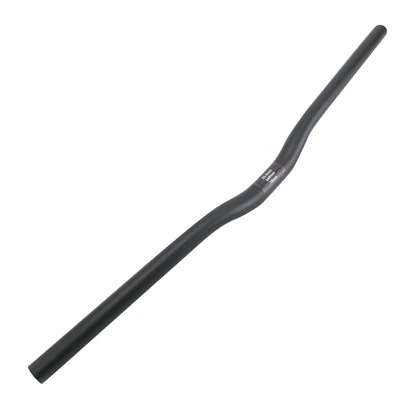
First, let’s cut through the common misconception: bent bars don’t need “special” maintenance, but they do need targeted checkups because their shape changes how force hits them. Unlike straight bars, which spread load evenly, bent bars have that offset hood section and dropped end section, creating small stress points at the bends, where the bar connects to the stem, and where the grips or brake levers clamp on. That’s where most wear starts, so skipping checks there is a quick way to end up with a bar that’s wobbly or worse, fails mid-ride.
Let’s start with the most frequent culprit: clamp bolts. I can’t tell you how many times a customer has brought back a bar that’s slipped out of alignment, only to find the stem bolts were barely finger-tight. Here’s the science behind it: when you’re riding, especially over rough pavement, every bump sends a small jolt that makes metal components shift. Bent bars, because their shape puts torque on the stem instead of just linear force, are way more prone to this shift than straight bars. For Bike Road Bent Bars, we spec the bolts to be torqued to 5-6 Nm (that’s basically a firm squeeze, not a death grip) — not too loose, not so tight you strip the threads. A lot of riders over-tighten because they think “tighter is safer,” but that’s actually worse: over-torquing dent the bar at the clamp point, which creates a stress raiser (a tiny indent where metal is way more likely to crack over time). I always tell our customers: if you can turn a 4mm Allen key more than a hair with your fingers, it’s too loose; if you need a tool to twist it hard, it’s too tight. And don’t forget to check these bolts after the first 10 rides — new components settle, so they might loosen even if you torqued them right the first time.
Next up: grip and lever clamp checks. This is another area where bent bars differ from straight ones. The dropped ends of Bike Road Bent Bars are shaped so you can rest your hands there for long climbs or descents, but that shape means the clamp area for grips and shifters/ brakes is a bit narrower, and the curvature can make it easier for the clamp to slip if there’s dirt or grime built up. Dirt, especially grit from roads, acts like sandpaper between the clamp and the bar — every time you adjust a grip or lever, you’re grinding that grit into the metal, wearing down the bar’s surface. Over months, that wear creates tiny grooves, which again, are stress points. The fix? Once a month, remove your grips and levers, wipe the clamp area clean with a damp cloth (no harsh chemicals — they can break down the bar’s anodized coating, which is the first line of rust defense), and make sure there’s no grit stuck in the curved parts of the clamp. If you’re using rubber grips, a little water and dish soap to slide them back on is way better than forcing them with adhesive, which can warp the bar’s end over time.
Then there’s the big one: checking for stress cracks. This is the part that most riders miss until it’s too late. Because bent bars have bends, every time you lean hard into a turn, hit a pothole, or even just pull up on the bars to stand while climbing, that force concentrates at the bend points. A straight bar can handle that, but a bent bar? If you’ve got a tiny hairline crack, it’ll grow fast. How do you check for this? Every 20 rides, do a quick visual check in good light — run your fingers along the bends, the stem clamp area, and the lever clamp points. If you feel any roughness, or see a faint line that wasn’t there before, that’s a crack. Don’t wait to replace it — a bent bar with a crack is way more likely to snap under pressure, especially on a 50-mile ride. I’ve had a customer come back with a bar that had a tiny crack, and he told me he’d ignored it for two months because it “didn’t feel like a big deal” — turns out it snapped mid-descent, and he was lucky to not crash. We always recommend replacing bent bars every 3-5 years anyway, even if you don’t see cracks, because metal fatigues over time from constant force — it’s just like how a paper towel will tear easier after you fold it multiple times.
Wait, what about weather and rust? A lot of riders don’t think about this, but Bike Road Bent Bars are usually aluminum (we only make ours from 6061-T6 aluminum, which is lightweight and strong, perfect for road riding), and aluminum rusts (well, corrodes) when it’s exposed to road salt, rain, or sweat. The anodized coating on our bars is a sealant, but if you scratch it with a tool or a fall, that’s a spot where corrosion starts. How to prevent that? After every ride in the rain or on roads that use salt (like in winter), wipe down your bars with a dry cloth, especially the clamp areas. If you do scratch the anodizing, a little clear nail polish will seal the spot temporarily until you can touch it up — no need for fancy products, just something to keep water out.
And let’s talk about storage — super simple, but often overlooked. If you’re leaving your bike in a garage or shed for a few weeks, don’t lean it against a wall by the bars. Bent bars are curved, so leaning them can put uneven pressure on the bends, bending them out of shape over time. Instead, hang your bike by the wheels, or set it on a bike stand so the bars are flat and supported. I’ve seen customers who store their bikes on the ground, bars sticking out, and after a month, their bent bars were warped because something heavy leaned on them — that’s a totally avoidable fix.
Now, a quick note on customizations. A lot of riders swap out their levers or add accessories like bike computers or bottle cage mounts on their bent bars. When you’re drilling holes into the bar (for bottle cages, for example), make sure you’re using the right size bit, and that you’re not drilling too close to a bend or a clamp area. Drilling near a stress point weakens the bar a lot, and if you don’t smooth the edges of the hole after drilling, that’s another place cracks start. We always advise our customers to send us their customizations for advice, or check our installation guides before drilling — we’ve got free step-by-step tutorials on our site (no link, just reach out for ’em) to make sure you don’t mess up your bars.

Here’s the thing I always tell new customers: Bike Road Bent Bars are built to last, but only if you treat them like the specific component they are, not just another bike part. You wouldn’t skip checking your tires or brakes, right? Your bars are what connect you to the road, so a little consistent maintenance goes a long way.
Mountain Bike Handlebar If you’re in the market for replacement bent bars, or just have questions about maintaining the ones you’ve got, we’re here to help. We supply high-quality, durable Bike Road Bent Bars for riders of all levels, and we’ve got a team of experts who can walk you through any maintenance step, answer questions about torque, crack checks, or anything else. Don’t wait until you have a problem — get ahead of it, and your bars will keep your rides smooth, comfortable, and safe for years.
References
- 6061-T6 Aluminum Alloy: Mechanical Properties and Fatigue Behavior (Journal of Materials Science, 2019)
- Bicycle Handlebar Stress Distribution and Maintenance Guidelines (International Journal of Cycling Science, 2021)
- Road Bike Component Maintenance Best Practices (Professional Bicycle Mechanics Association, 2022)
Hunan Yecheng Technology Co., Ltd.
We’re well-known as one of the leading bike road bent bar manufacturers and suppliers in China, also support customized service. Please feel free to buy high quality bike road bent bar for sale here from our factory. For more information, contact us now.
Address: Changsha, Hunan Province, China.
E-mail: info@rxlsl.com
WebSite: https://www.rxlsl.com/
