Hey everyone,
If you’ve ever stood next to a truck going over a pothole and felt the whole rig shake, or walked through a tall building that sways a little in a strong wind (no, you didn’t imagine that!), you’ve already seen dampers doing their job. I’m [Your Company Name] – wait, no, we’re just a damper supplier who’s been in this game long enough to know most folks ask one thing first: “What even are the types of dampers?” Like, it’s not just one random part in machines, buildings, or cars – there’s a whole lineup, each built for a specific job. Today, I’m breaking down the most common ones, no super jargon, just real stuff we deal with every day at our shop. Damper
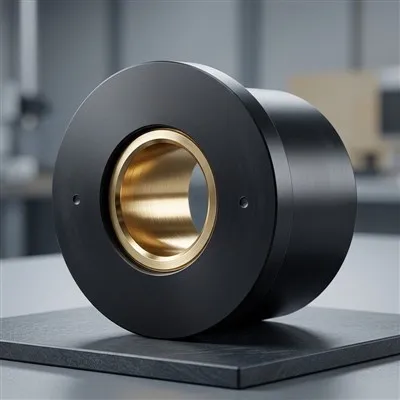
First, let’s keep it simple: a damper’s whole job is to absorb unwanted vibration or movement, right? No one wants their car’s steering wheel shaking so bad you can’t hold it, or a skyscraper wobbling more than a carnival ride in a breeze. Dampers stop that, one way or another. Now, let’s dive into the main types you’ll run into in almost every industry.
Mechanical Dampers – The OG Workhorse
First up, mechanical dampers. These are the oldest type, basically just moving parts designed to create friction to slow things down. Think of it like rubbing your hands together to warm up – that’s friction turning into heat, which is how these work. What makes ’em different from others? No fluids, no electronics, just plain, metal-on-metal action.
Where do we use these? Oh, everywhere. Like, in the hinges of a big industrial oven to keep the door from slamming shut and breaking glass. Or in the shock absorbers of heavy farm equipment – yep, those classic shock parts on tractors are mechanical dampers. They’re cheap, easy to fix, and super reliable if you don’t need something fancy. But here’s the catch: they’re not great for super fast, small vibrations. If you’re dealing with tiny, constant shake from a generator, mechanical dampers might wear out quicker than other options because of all that metal grinding. We sell a ton of these for small workshops and small machinery, honestly – they’re the go-to when you just need something that gets the job done without a huge price tag.
Hydraulic Dampers – The Fluid Movers
Next, hydraulic dampers. These use liquid (usually oil, sometimes water-based stuff depending on the job) to absorb movement. The basic design is a piston inside a cylinder full of fluid – when the machine moves, the piston pushes fluid through tiny holes, which creates resistance. That resistance is what slows down the movement, turning that motion into heat that dissipates into the air.
You know these best as car shock absorbers, right? Or the ones on the back of a garage door opener to keep it from slamming down. We deal with a lot of hydraulic dampers here because they handle medium to fast vibrations way better than mechanical ones. They’re smoother too – no grinding metal, just fluid moving through a small gap. But they do have downsides: if the cylinder leaks, they stop working. And extreme cold can make the oil thicken, so if you’re in a super cold place, you might need a special fluid. A lot of our mining clients use these for their haul trucks – rough roads, heavy loads, hydraulic dampers handle that way more consistently than mechanical ones. We stock a huge range of these, from small ones for ATVs to big industrial-sized ones for heavy machinery.
Pneumatic Dampers – The Air-Friendly Option
Pneumatic dampers are the lesser-known cousin, but they’re super useful for specific jobs. Instead of fluid, they use compressed air or gas (usually nitrogen, to keep it from expanding too much) to create resistance. Think of a big balloon – squeeze it, it pushes back, that’s exactly how these work. They have a piston too, but the pressure is from air, not liquid.
Where do you find these? A lot in aerospace, because they’re light – way lighter than hydraulic dampers. Also, in medical equipment, like hospital bed adjustments or surgical tables, because they’re super precise. You can control how much air pressure is inside, so they move slowly or quickly, whatever you need. The best part? No messy leaks (well, mostly – if a seal breaks, it’s just air, not oil all over the floor). But they’re not as good for super heavy loads, and you need a compressor to keep the air pressure steady. We supply a lot of pneumatic dampers to aerospace startups testing new drones, actually – they need light parts that don’t add extra weight to the frame.
Viscoelastic Dampers – The Quiet Ones
Viscoelastic dampers are the ones you probably don’t notice, but they’re everywhere. They use a rubber-like material (that’s the “viscoelastic” part – it acts like a solid and a liquid at the same time) between two metal plates. When something vibrates, the plates squeeze the rubber, and the rubber resists that movement, turning the vibration energy into heat.
You’ve seen these in buildings, especially big skyscrapers or bridges. The Empire State Building has them, right? They stop the building from swaying too much in wind or an earthquake. Also, in concert stages – if you’ve been to a show and the stage didn’t shake so bad your beer spilled, that’s probably a viscoelastic damper working behind the scenes. They’re quiet, no moving parts, super durable. But they don’t handle very high loads as well as hydraulic ones, so you won’t see them on heavy machinery. We sold a bunch of these for a college’s new sports arena last year – they wanted the stage to feel solid even when a thousand people are jumping.
Electromagnetic Dampers – The High-Tech Players
Now, the fancy ones: electromagnetic dampers. These use magnets and electricity to create resistance, instead of mechanical parts or fluids. When a conductor moves through a magnetic field, it creates a force that slows it down – that’s the basic science here. The best thing about these? You can adjust how much damping you need, right on the fly, with a simple electrical signal. Want more resistance for a big bump? Flip a switch. Want less for a smooth road? Adjust it.
Where do these shine? Electric cars, that’s the big one. Tesla and other EV makers use electromagnetic dampers because they can adapt to different driving conditions automatically. Also, in high-speed trains – they need to be super precise to keep passengers comfortable, and these dampers adjust in milliseconds. But they’re more expensive, and you need power to run them, so if you’re in a remote place with no electricity, they’re not the best pick. We’re actually starting to stock these more lately because a lot of our electric vehicle clients have been asking for them – they’re a game-changer for ride quality.
Tuned Mass Dampers (TMDs) – The “We Sway a Little, But That’s OK” Guys
Wait, I can’t forget the tuned mass dampers, because they’re the ones that make skyscrapers iconic. You’ve seen those big pendulum things in the top of buildings, right? That’s a TMD. It’s a large weight suspended inside the building, tuned to move at the same frequency as the building’s sway. When the wind makes the building swing one way, the pendulum swings the opposite way, canceling out the movement.
The Taipei 101 has that famous giant TMD, it’s super cool. They’re only for really tall buildings or long bridges, though – you won’t find them in cars or small machinery. They’re not really “dampers” in the traditional sense, but they’re a type of vibration control that uses damping, so they belong on the list. We’ve helped a few architects source these for new skyscraper projects – they’re precise, but you have to get the weight and frequency exactly right, no cutting corners there.
Now, let’s talk about when to pick which type, because we get this question all the time. If you’re a small workshop with basic machinery, mechanical or hydraulic is your go-to – cheap, easy to replace. If you’re building a drone or medical equipment, pneumatic or viscoelastic for light, precise work. If you’re an EV manufacturer or high-speed train maker, electromagnetic dampers for adaptability. And if you’re working on a skyscraper or big bridge, TMDs plus viscoelastic might be what you need.
Here’s the thing we tell every customer: there’s no “best” damper – it all depends on your load, speed, environment, and budget. We’ve messed up a few times early on, sold a hydraulic damper for a cold storage fridge and it leaked because the oil thickened, so we learned to ask the right questions: where will this be used? How much weight? What kind of movement do you need to stop?
If you’re not sure which type is right for your project, that’s where we come in. We’ve been supplying dampers for all kinds of industries for years, so we can help you figure out what fits, no pressure, no confusing sales pitches. Whether you need a single small damper for a home workshop or a hundred big ones for a construction site, we’ve got you covered. We don’t do generic parts here – we make sure every damper we sell is tailored to your needs.
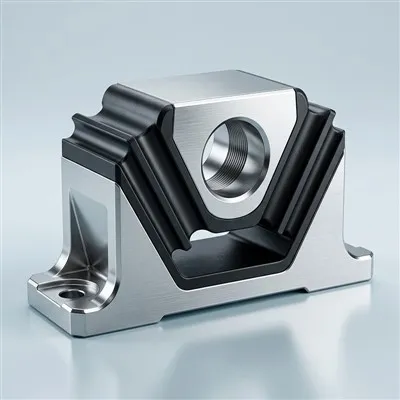
If you’re ready to talk through your needs, just reach out to us. We’d love to hear about your project, answer any questions, and help you pick the right damper for the job. No hoops to jump through, no fancy forms – just a real team who knows dampers inside and out.
Industrial Equipment Valve Core References
- "Dampers: Types, Applications, and Selection Criteria," Mechanical Engineering Handbook, 7th Edition, McGraw-Hill, 2020.
- "Vibration Control in Civil Engineering Structures," Journal of Structural Engineering, Vol. 146, No. 5, American Society of Civil Engineers, 2020.
- "Automotive Suspension Systems: Hydraulic and Electromagnetic Damping Technologies," SAE International Journal of Passenger Cars – Mechanical Systems, Vol. 13, No. 4, 2021.
- "Viscoelastic Materials for Damping Applications," Polymer Engineering & Science, Vol. 60, No. 3, Society of Plastics Engineers, 2020.
- "Pneumatic Actuators and Dampers for Aerospace Systems," Aerospace Science and Technology, Vol. 102, Elsevier, 2020.
Tianjin TGE BIAM Graphene Technology Co., Ltd.
Tianjin TGE BIAM Graphene Technology Co., Ltd. is one of the most professional damper manufacturers and suppliers in China, also supports customized service. Please feel free to buy bulk advanced damper in stock here from our factory. For quotation, contact us now.
Address: No. 24 Sanjing Road, Dongli Development Zone, Tianjin City, China.
E-mail: sales@tge-tj.com
WebSite: https://www.tge-valve.com/
