Let’s cut to the chase: when I’m working with interior wood products (I own a small interior wood supplier, so I’m hands-on with every step), I get asked nonstop why we can’t just build whatever a designer or client dreams up. Like, why no super-thin floating shelves? Or that curved walnut kitchen island with a sweeping edge that looks seamless? The answer boils down to real, design-limiting factors that aren’t just “rules” — they’re science, and if you don’t account for them, your project ends up warped, cracked, or falling apart way faster than it should. Interior Wood Products
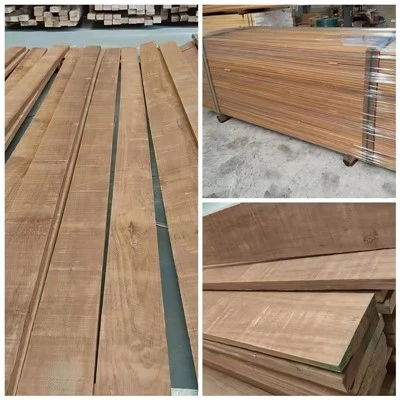
First, let’s talk about moisture content — the big one that causes 9 out of 10 wood issues I see. Wood is a living, breathing material, right? Even when it’s kiln-dried (which is the standard for interior use), it still holds moisture that shifts with the humidity in a space. I’ve had clients beg for a 10-foot-long solid oak console table for their sunroom, and that’s a hard no. Here’s why: oak’s average moisture content when installed should match the space’s relative humidity (usually 30-50% for indoor spaces). If the sunroom swings to 60% humidity in the summer (which is normal for big windows in humid climates), that oak will swell — and a 10-foot solid piece can swell almost half an inch. That’s not a tiny bulge; that’ll make the tabletop warp, or the edges buckle, or even split at the joints. I’ve seen that exact console table split right down the middle within 6 months because the client refused to compromise for something custom. So design limitations here aren’t just about being inflexible — they’re about making sure your wood product doesn’t turn into a headache after install.
Next, strength and grain direction. Wood’s strength isn’t the same across all sides; it’s way stronger along the grain than across it. Let’s say someone wants a super-thin (1-inch) solid wood countertop for a commercial kitchen — wait, no, even residential. A 1-inch solid maple countertop with a 12-inch overhang? That’s a disaster. Maple’s tensile strength is great along the grain, but across the grain, it’s way weaker. That overhang will sag within a year, especially if you’re putting any weight on it (like a toaster, a cutting board of dishes). I’ve had designers come to me with sketches for that exact counter, and I explain that we can do a laminated countertop instead — layers of wood glued together with the grain alternating, so it’s strong, doesn’t sag, and still looks like solid wood. But that’s a design tweak, not the “exact solid wood piece” the client wanted. Also, grain knots play a role: a knot might look cool for a rustic shelf, but if that knot is right where you’re drilling a screw to mount it, the wood around the knot is weaker, so the shelf will pull loose over time. I once had a client who insisted on a shelf with a big knot dead-center where the bracket went — within 3 months, the shelf fell, took his collectible mugs with it, and he blamed me for “bad wood.” I now show designers photos of knot stress points upfront to avoid that miscommunication.
Then there’s size and sourcing constraints. Even if you want a big solid wood piece, most premium interior woods (walnut, cherry, mahogany) don’t come in giant solid boards. A 12-foot solid walnut tabletop? That would need a log almost 14 feet long, which is rare and super expensive. Most of the time, you’re gluing smaller boards together (that’s called “edge-glued solid wood”), but even that has limits. The boards can warp as they acclimate, so you can’t just glue 10 1-foot boards together and get a perfectly flat 10-foot tabletop. I’ve had clients ask for a seamless 10-foot dining table that looks like one solid piece, but edge-glued tables have tiny seams — and if the wood shifts, those seams might open up a little. We can do “faux seamless” with a thin veneer overlay, but that’s a different look than solid. Also, sustainability is a factor here; we can’t just harvest giant old-growth logs anymore, so sourcing large, defect-free boards is a design limitation too. That big 14-foot walnut log might not be sustainable, so we have to offer smaller, more eco-friendly alternatives — which means adjusting the design.
Wait, let’s not forget thermal expansion. Wood expands and contracts with temperature too, not just humidity. A floor-to-ceiling solid wood bookshelf in a room with a big fireplace? The heat from the fireplace will make the wood expand more on the side facing the fire, and you’ll get gaps between the shelves, or the bookshelf will bow away from the wall. I once installed a bookshelf for a client next to their wood-burning stove that had zero gaps accounted for — within a winter, the shelves were warped so bad, you could rest a mug on the edge and it would tilt. So when we design, we have to leave a little “breathing room” — like 1/4 inch between the top of the bookshelf and the ceiling, or using a floating mount that lets it move instead of being screwed tight to every stud. That’s a small detail, but it’s a design limitation that most clients don’t know about until it’s too late.
Also, finish compatibility. A lot of designers want a super high-gloss finish for a vanity top, but solid wood and high-gloss don’t mix well. Wood has pores, so a high-gloss finish will show every tiny scratch, and if the moisture shifts, the finish can crack or peel. I’ve had clients go for that shiny finish on a solid wood bathroom vanity, and within a year, the sink area has little hairline cracks in the finish because the wood expanded from the steam. The better option? A matte, oil-based finish that lets the wood breathe, even if it’s not as shiny as they wanted. That’s a trade-off, but it’s a design limitation based on how wood interacts with different finishes in high-moisture spaces.
Now, let’s be clear: these limitations aren’t here to kill your design vibe. They’re here to make sure your interior wood product lasts. For example, that curved kitchen island you wanted? We can build it with laminated wood layers — thin strips of wood glued together and bent to shape, which gives you the curve without the solid wood warping. I just did a project for a restaurant where the designer wanted a serpentine walnut bar, and we used laminated layers that bent perfectly, and it’s holding up great after a year of use. The key is working with a supplier who understands these limitations early, not trying to force a design that’s never going to work.
I see a lot of designers and clients treat wood like a synthetic material — like MDF or quartz, which are uniform and don’t shift. But wood is natural, and that’s part of its charm — but it comes with those natural limits. If you’re working on a residential project, a restaurant, a retail space, or any interior build, don’t wait until you’re drafting plans to talk through wood options with your supplier. We can help you adjust designs to work with wood’s properties, instead of against them.
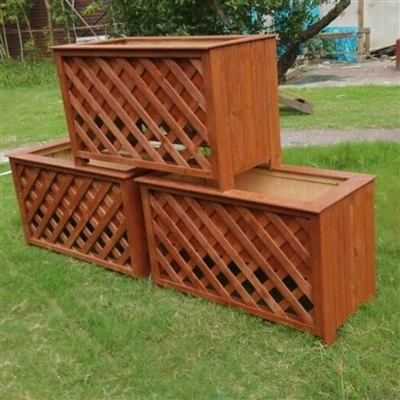
If you’re ready to brainstorm your interior wood project — whether it’s custom cabinets, a dining table, built-ins, or that one weirdly specific piece you’ve been dreaming up — hit us up. We can walk through design tweaks, material options, and make sure your final product looks exactly how you want it, without the warping, cracking, or heartbreak down the line. Don’t just sketch something and hope it works; chat with a wood supplier who knows the limitations inside and out, and we’ll build something that’s both beautiful and functional.
Engineered Wood Beams References
- American Wood Council. (2022). Moisture Content Guidelines for Interior Wood Products.
- Forest Products Laboratory, U.S. Department of Agriculture. (2021). Wood Strength Properties and Design Applications.
- Woodfinish Association International. (2023). Finish Compatibility for Solid Wood Interiors.
- Sustainable Forestry Initiative. (2022). Sourcing Guidelines for Solid Wood Building Materials.
Zendekin Low-Carbon Technology Co., Ltd.
We are one of the most professional interior wood products manufacturers and suppliers in China. With abundant experience, we warmly welcome you to wholesale customized interior wood products from our factory. If you have any enquiry about quotation, please feel free to email us.
Address: Building 3, Yincheng INC Center, No.59 Tianyuan West Road, Jiangning District, Nanjing, Jiangsu, China.
E-mail: 13813916590@126.com
WebSite: https://www.zdqeco.com/
