If you’ve ever worked on a home renovation, DIY project, or even a small industrial repair, chances are you’ve grabbed a roll of fiberglass tape at some point. As someone who’s been supplying this stuff for years, I get asked all the time: “Why does this tape work with some materials like a charm, and stick like garbage to others?” It’s not magic, of course—just science that’s easy to break down, and knowing how fiberglass tape interacts with different materials can make your next project way less frustrating. No jargon, promise—let’s dive in. Fiberglass Tape
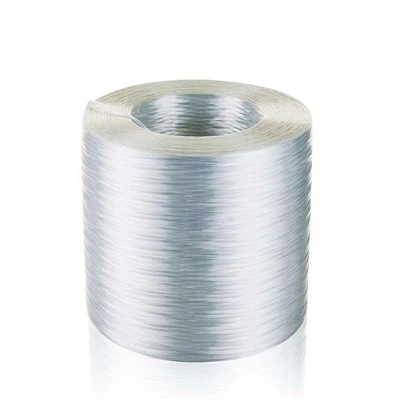
First, let’s recap what fiberglass tape even is, for anyone who’s new. It’s not that fuzzy, flimsy old tape your grandpa used for duct repairs (though it can work for that too). The stuff we supply is made of thin, woven glass fibers—super strong, way more durable than paper or plastic tape, and coated with a resin or adhesive that makes it stick when you need it to. Its whole thing is that it’s flexible, resists stretching, and doesn’t degrade when exposed to moisture, heat, or chemicals that would take out other tapes.
Now, let’s talk about the most common pairings people use our fiberglass tape for: drywall, plaster, concrete, wood, and metal. Those are the big four, so we’ll start there.
Drywall is probably the #1 use for fiberglass tape, right? When you finish hanging drywall panels, you have those big seams between them, plus the screw indentations you have to fill with joint compound (that’s the “mud” everyone calls it). Paper tape used to be the go-to here, but fiberglass tape crushed it for me (pun intended, but fair). Here’s why it interacts so well with drywall. The woven fiberglass core is porous enough that the joint compound seeps into the gaps between the fibers, creating a mechanical bond—like two puzzle pieces locking together, not just something sitting on top. Unlike paper tape, which can stretch as the mud dries and cracks, fiberglass tape doesn’t give at all. Even better, it works with both regular joint compound and the lightweight kind contractors love these days. I’ve had so many customers tell me they switched from paper because paper would bubble or pull loose in humid basements, but fiberglass tape holds up. The only small caveat here: if you’re working with ultra-thin drywall (like for ceiling layers), make sure you press the tape evenly so you don’t leave air pockets. Easy mistake, but common.
Next up: plaster. Plaster is different from drywall—it’s thicker, it cures harder, and it’s more brittle than drywall mud, so you need a tape that can flex with it as it ages instead of cracking. Fiberglass tape is perfect here because its woven structure isn’t rigid, so it moves a little with the plaster without breaking. The interaction is similar to drywall, but plaster is more porous than joint compound, so the adhesive coating on the tape grabs onto the plaster surface too, not just seeping into the weave. This is a huge win for old home restorations, too—if you’re patching a 100-year-old plaster wall, fiberglass tape won’t look out of place and won’t pull away like cheap plastic tape would. I once had a customer who was restoring a Victorian in Boston, and he told me he’d tried three other tapes before ours because they’d peel off the old plaster. We used our standard medium-weight fiberglass tape, and he said the patch hasn’t cracked in two years. That’s the stuff I love hearing.
Now concrete. This is where fiberglass tape really shows its strength, in my opinion. Concrete is heavy, it’s porous, and it expands and contracts a lot with temperature changes (hello, winter freeze-thaw cycles). Regular duct tape or even construction tape will crumble or peel off concrete within a year, but fiberglass tape? It’s designed for this. When you’re doing concrete repairs—like patching cracks in a garage floor, or sealing joints between concrete slabs—the tape acts as a reinforcement layer. The rough concrete surface grabs the adhesive coating on the tape, and the fiberglass core adds tensile strength so the concrete doesn’t crack again at the same spot. Wait, but there’s a trick here: you have to make sure the concrete is totally clean and dry before you apply the tape. If there’s dust, oil, or even a little moisture, the adhesive won’t stick, and the tape will peel off. I always tell people to scrub the concrete with a wire brush, wipe it down with a damp rag, and let it dry for 24 hours before applying. I’ve seen guys skip that step, and sure enough, the tape falls off three months later. That’s a basic prep step that makes all the difference.
Then there’s wood. Wood is super common, whether you’re doing furniture repairs, deck work, or framing. Fiberglass tape interacts with wood differently depending on what you’re using it for. If you’re doing woodworking, like adding a splint to a broken table leg, the tape (usually we supply a thin, flexible kind for this) will adhere to sanded wood really well, because the wood’s grain texture locks into the weave. But if you’re using fiberglass tape for deck repairs, it’s a little different—decks are exposed to constant sun, rain, and foot traffic, so you need a heavy-duty fiberglass tape that’s UV-resistant. The key here is that wood expands and contracts with humidity, so fiberglass tape’s flexibility is a plus here—it moves with the wood instead of causing the tape to pull away. The only time I’d caution against using fiberglass tape on wood is if you’re staining the wood. Most fiberglass tapes have a plastic coating on the outer layer to protect the fiberglass, and that coating can repel stain, leaving a splotchy spot. If you want a seamless wood finish, sand the wood first, then apply the tape, sand it flush, then stain over top. That way the stain soaks through the gaps in the weave and matches the rest of the wood.
Okay, so we covered the good interactions, but what about the not-so-great ones? No material works with everything, right? I get questions about fiberglass tape and plastic all the time. Most plastics—like polyethylene, polypropylene, or PVC—are super non-porous, so the adhesive on fiberglass tape can’t get a good grip. I’ve had customers try to use our tape to seal a plastic storage bin or line a plastic gutter, and it peels off within a week. The problem is the surface energy of plastic—it’s too smooth and low-energy for most tape adhesives to stick. If you really need to bond fiberglass tape to plastic, you have to rough up the plastic surface with sandpaper first, then use a primer made for plastic before applying the tape. But even then, it’s not as strong as bonding to a porous material like drywall or concrete.
Another tricky one: painted surfaces. If you’re applying fiberglass tape to latex paint, it works okay—most latex paint is porous enough that the adhesive can grab on, but if the paint is old, cracking, or glossy, it won’t stick. I learned this the hard way early on when I supplied some tape to a guy who was taping a seam between two painted drywall panels. He used a glossy wall paint, and the tape peeled off as soon as he started applying joint compound. The solution there is to scuff the painted surface with fine-grit sandpaper to dull the gloss, so the adhesive has something to grab onto. If the paint is oil-based? Forget it. Oil-based paint is even less porous than latex, so fiberglass tape won’t stick at all. You have to remove a few inches of paint on both sides of the seam before applying.
Wait, what about roofing materials? A lot of roofers use fiberglass tape for sealing roof joints, right? It interacts really well with asphalt shingles and rolled roofing, because those materials are porous and flexible. The adhesive on the fiberglass tape bonds to the asphalt, and the fiberglass core adds strength so the seal doesn’t tear when the roof expands in the sun. But if you’re working with metal roofing? Metal is smooth and non-porous, just like plastic. So you can’t just stick fiberglass tape to metal roof panels. You have to use a metal primer first, then the tape, and even then, it’s not ideal for high-traffic roof areas. I always tell roofers to use metal-specific tape for metal roofs, not the fiberglass stuff, to avoid leaks.
Let’s also talk about a pro tip that comes from years of supplying tape to contractors: match the tape weight to the material you’re working with. Not all fiberglass tape is the same—we carry light, medium, and heavy weight rolls, and using the wrong one is a common mistake. For drywall seams, light or medium weight is fine, because you don’t need super heavy strength there. But for concrete cracks or roofing, you need heavy weight fiberglass tape, because it can handle more tension and moisture. I had a customer a few months back who used light weight tape on a concrete garage floor crack, and it popped when he parked his truck over it. Switched to heavy weight, and it’s held for six months. That’s the kind of small choice that makes a huge difference.
Another thing people don’t always think about is moisture. Fiberglass tape is water-resistant, but not water-proof. If you’re using it in a bathroom or basement where it’s going to be constantly exposed to high humidity, make sure you get a tape that’s coated with a water-resistant resin. Standard fiberglass tape will work for occasional moisture, but if it’s going to be under water (like a pool repair or a basement wall crack that gets flooded), you need a marine-grade fiberglass tape, which we also supply. We once had a guy use regular fiberglass tape to fix a crack in his basement foundation, and when the heavy rains came, the tape peeled off because it wasn’t rated for constant water exposure. Switched to marine-grade, and he’s had no issues.
I should also mention that fiberglass tape is way more eco-friendly than people think, when used right. Unlike plastic tape, which takes hundreds of years to break down, fiberglass tape is durable enough that you rarely have to reapply it, which means less waste. And when you do eventually remove it (say, if you’re renovating a wall), the fiberglass core doesn’t leave a sticky residue like plastic tape does—you just peel it off, and that’s it. That’s a big plus for anyone who’s trying to cut down on construction waste.
At the end of the day, the whole point of knowing how fiberglass tape interacts with other materials is to make your project easier and avoid mistakes. If you’re working with porous, rough materials like drywall, plaster, or concrete, fiberglass tape will work like a charm—just prep the surface right. If you’re working with smooth materials like plastic or metal, you’ll need to take extra steps to get the tape to stick, or use a different type of tape. And always match the tape weight and coating to the job—don’t use a light roll for heavy-duty work, or a regular roll for high-moisture areas.

If you’re not sure which fiberglass tape is right for your project, or you’ve tried something and it’s not working out, hit us up for a chat. We’ve been supplying fiberglass tape to DIYers and contractors for years, so we know all the ins and outs of how it interacts with every common material out there. No confusing sales pitches, just straight advice to help your project go off without a hitch.
Fiberglass Tissue References
- Fiberglass Reinforcement Materials for Construction, American Society for Testing and Materials (ASTM) International, 2021.
- Adhesive Bonding Performance of Fiberglass Tapes to Common Building Materials, Journal of Construction Materials, Vol. 18, No. 3, 2020.
- Moisture Resistance Characteristics of Fiberglass Tapes for Structural Repairs, International Institute of Building Envelope Specialists (IIBEC), 2019.
Danyang Yonggu Building Materials Co., Ltd.
Danyang Yonggu Building Materials Co., Ltd. is one of the most professional fiberglass tape manufacturers and suppliers in China, featured by quality products and good price. Please rest assured to wholesale customized fiberglass tape made in China here from our factory.
Address: Danyang City, Jiangsu Province, P.R. China
E-mail: sales02@cnyongu.com
WebSite: https://www.ygfiberglass.com/
