As a supplier of lifting components, I’ve witnessed firsthand the growing emphasis on environmental considerations across industries. In today’s world, where sustainability is not just a buzzword but a necessity, it’s crucial to examine the environmental impact of using lifting components. This blog will delve into the various environmental factors that come into play when utilizing these components and explore how we, as a supplier, are committed to minimizing our ecological footprint. Lifting Components

Material Sourcing and Production
The environmental journey of lifting components begins with the sourcing of raw materials. Many traditional materials used in lifting components, such as steel and aluminum, have significant environmental impacts during extraction and production. Mining operations for these metals can lead to deforestation, soil erosion, and water pollution. Additionally, the energy-intensive processes involved in refining and manufacturing these materials contribute to greenhouse gas emissions.
At our company, we recognize the importance of responsible material sourcing. We strive to partner with suppliers who adhere to strict environmental standards. For example, we source steel from mills that use recycled steel as a significant part of their production process. Recycling steel reduces the need for virgin iron ore mining, saving energy and reducing emissions. In fact, recycling steel can save up to 75% of the energy required to produce new steel from raw materials.
Similarly, we are exploring the use of alternative materials for certain applications. Composite materials, for instance, offer several environmental advantages. They are often lighter than traditional metals, which can reduce the energy consumption of lifting equipment. Additionally, some composite materials are recyclable, further minimizing their environmental impact.
Energy Efficiency
Another critical environmental consideration when using lifting components is energy efficiency. Lifting equipment, such as cranes and hoists, consumes a significant amount of energy during operation. By using energy-efficient lifting components, we can reduce the overall energy consumption of these machines, leading to lower operating costs and a smaller environmental footprint.
One way to improve energy efficiency is through the use of variable frequency drives (VFDs) in lifting motors. VFDs allow the motor to operate at different speeds based on the load requirements, rather than running at a constant speed. This can result in significant energy savings, especially in applications where the load varies frequently.
We also offer high-efficiency gears and bearings in our lifting components. These components are designed to reduce friction and wear, which not only extends their lifespan but also reduces the energy required to operate the lifting equipment. By using these energy-efficient components, our customers can achieve significant cost savings while also contributing to a more sustainable future.
End-of-Life Management
The environmental impact of lifting components does not end when they are no longer in use. Proper end-of-life management is essential to minimize the environmental footprint of these products. Many lifting components, such as steel and aluminum parts, can be recycled at the end of their lifespan. Recycling these materials reduces the need for virgin material extraction and saves energy.
At our company, we encourage our customers to recycle our lifting components whenever possible. We provide information on recycling options and collaborate with recycling facilities to ensure that our products are recycled in an environmentally responsible manner. Additionally, we are exploring ways to design our components for easier disassembly and recycling, further improving their end-of-life sustainability.
Noise and Emissions
In addition to the environmental impacts related to material sourcing, energy efficiency, and end-of-life management, there are also concerns about noise and emissions associated with lifting components. Lifting equipment can generate significant noise during operation, which can be a nuisance to nearby residents and workers. Additionally, diesel-powered lifting equipment can emit pollutants such as particulate matter, nitrogen oxides, and carbon monoxide, which can have negative health effects on humans and the environment.
To address these issues, we offer lifting components that are designed to reduce noise and emissions. For example, we provide electric-powered lifting equipment, which produces zero emissions during operation and is generally quieter than diesel-powered alternatives. We also offer noise-reducing features in our components, such as vibration dampeners and sound-insulating materials, to minimize the noise impact of our products.
Our Commitment to Sustainability
At our company, we are committed to sustainability in all aspects of our business. We believe that by providing environmentally friendly lifting components, we can help our customers reduce their environmental footprint while also improving their operational efficiency. We are constantly researching and developing new technologies and materials to further enhance the sustainability of our products.
We also encourage our customers to adopt sustainable practices in their use of lifting equipment. This includes proper maintenance and operation of the equipment to ensure maximum energy efficiency, as well as responsible disposal of old components at the end of their lifespan. By working together, we can make a significant difference in reducing the environmental impact of the lifting industry.
Conclusion
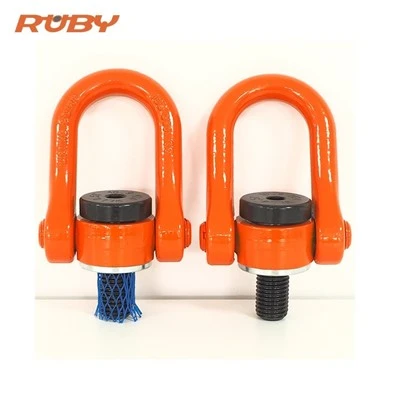
In conclusion, there are indeed several environmental considerations when using lifting components. From material sourcing and production to energy efficiency, end-of-life management, and noise and emissions, every aspect of the lifting component’s lifecycle can have an impact on the environment. As a supplier of lifting components, we are committed to addressing these issues and providing our customers with environmentally friendly solutions.
Weldable Lifting Lugs If you are interested in learning more about our environmentally friendly lifting components or have any questions about how we can help you reduce your environmental footprint, please do not hesitate to contact us. We look forward to the opportunity to discuss your specific needs and work together towards a more sustainable future.
References
- American Iron and Steel Institute. (2023). The Benefits of Recycling Steel.
- International Renewable Energy Agency. (2023). Renewable Energy and Energy Efficiency in the Industrial Sector.
- United Nations Environment Programme. (2023). Sustainable Management of End-of-Life Products.
Hangzhou Ruby Imp. & Exp. Co., Ltd.
As one of the most experienced lifting components manufacturers and suppliers in China, we offer a wide range of products with superior quality. We warmly welcome you to wholesale custom made lifting components at competitive price from our factory.
Address: Taoyuan Industrial Park, Puyang Town, Xiaoshan, Hangzhou, Zhejiang, China.
E-mail: Sales5@z2lifting.com
WebSite: https://www.rubylifting.com/
