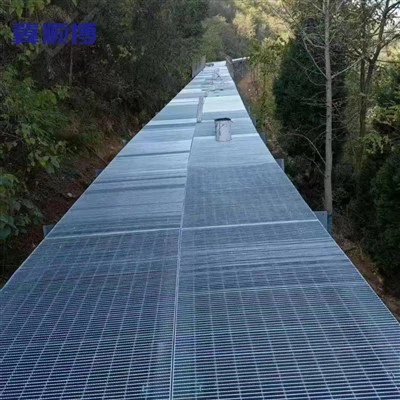
Fiberglass grating is a versatile product widely used in various industries due to its excellent properties. As a supplier of fiberglass grating, I often encounter questions about its electrical conductivity. In this blog post, I will delve into what the electrical conductivity of fiberglass grating is, its influencing factors, and its implications in different applications. Fiberglass Grating
Understanding the Basics of Conductivity
Before we discuss fiberglass grating specifically, let’s understand the concept of electrical conductivity. Electrical conductivity is a measure of a material’s ability to conduct an electric current. It is the reciprocal of electrical resistivity and is typically measured in siemens per meter (S/m). Materials are generally classified into conductors, semiconductors, and insulators based on their electrical conductivity. Conductors, such as metals, have high conductivity, allowing electrons to move freely. Semiconductors have intermediate conductivity, and insulators have very low conductivity, which means they strongly resist the flow of electric charge.
Fiberglass Grating: An Insulator by Nature
Fiberglass grating is primarily made of glass fibers and a resin matrix. Glass fibers are well – known insulators. They have a large band gap between their valence and conduction bands, which makes it difficult for electrons to gain enough energy to move freely and conduct electricity. The resin matrix, which is commonly made of polyester, vinyl ester, or epoxy, also has insulating properties.
When these two insulating components are combined to form fiberglass grating, the resulting product inherits their insulating characteristics. The electrical conductivity of fiberglass grating is extremely low, typically on the order of 10⁻¹² to 10⁻¹⁸ S/m. This makes it an excellent insulator, and it is often used in applications where electrical isolation is required.
Factors Affecting the Electrical Conductivity of Fiberglass Grating
Although fiberglass grating is an insulator, there are several factors that can potentially affect its electrical conductivity:
Presence of Contaminants
If the fiberglass grating is contaminated with conductive materials such as metal particles, salts, or moisture, its conductivity can increase. For example, in industrial environments where there are metal – machining operations, metal chips might settle on the grating surface. If these chips bridge the gaps between the fiberglass strands, they can create conductive paths and increase the overall conductivity of the grating. Similarly, salts and moisture can form electrolytes on the surface of the grating, which can also enhance its conductivity.
Resin Type and Quality
The type and quality of the resin used in the fiberglass grating can influence its electrical properties. Some resins may have slightly better insulating properties than others. For instance, epoxy resins generally offer better chemical resistance and electrical insulation compared to polyester resins. Additionally, the curing process of the resin is crucial. If the resin is not properly cured, it may have voids or defects that can affect its electrical performance.
Fiber Orientation and Density
The orientation and density of the glass fibers in the grating can also play a role in its electrical conductivity. A more uniform and dense fiber distribution can provide better mechanical and electrical properties. If the fibers are randomly oriented or have a low density, there may be more opportunities for conductive paths to form under certain conditions.
Applications Based on Electrical Conductivity
The low electrical conductivity of fiberglass grating makes it suitable for a wide range of applications:
Electrical Substations
In electrical substations, safety is of utmost importance. Fiberglass grating is used as walkways and platforms because it provides electrical insulation, reducing the risk of electric shock for workers. It can also be used to support electrical equipment, ensuring that there is no unintended electrical connection between the equipment and the ground.
Chemical and Petrochemical Industries
In these industries, there are often corrosive substances and electrical hazards. Fiberglass grating is corrosion – resistant and non – conductive, making it an ideal choice for flooring, stair treads, and catwalks. It can withstand the harsh chemical environment while preventing electrical accidents.
Telecommunication Facilities
Telecommunication facilities house a large number of sensitive electronic equipment. Fiberglass grating can be used as raised flooring to provide a stable and insulated surface. It helps to prevent static electricity build – up and protects the equipment from electrical interference.
Modifying Electrical Conductivity (if needed)
In some rare cases, there may be a need to modify the electrical conductivity of fiberglass grating. For example, in environments where static electricity is a concern, a slightly conductive grating may be required to dissipate the static charge safely. This can be achieved by adding conductive fillers such as carbon black or metallic powders to the resin matrix during the manufacturing process. However, this needs to be carefully balanced to ensure that the other desirable properties of the fiberglass grating, such as corrosion resistance and mechanical strength, are not compromised.
Why Choose Our Fiberglass Grating
As a supplier of fiberglass grating, we take pride in offering high – quality products with excellent electrical insulation properties. Our manufacturing process is carefully controlled to ensure consistent quality and performance. We use the best – in – class glass fibers and resins, and our products are rigorously tested to meet the highest industry standards.
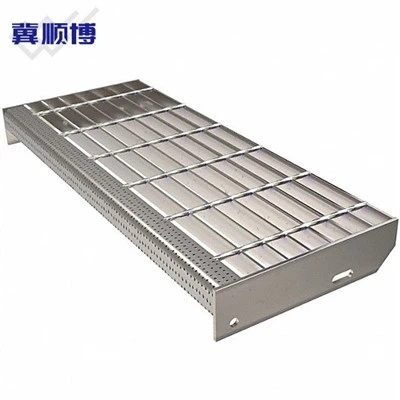
We understand that different applications have different requirements, and we are committed to providing customized solutions. Whether you need a standard or a special – order fiberglass grating, our team of experts can work with you to develop a product that meets your specific needs. Our grating is available in various sizes, shapes, and surface finishes, and we can also provide installation support and after – sales service.
Contact Us for Your Fiberglass Grating Needs
Stainless Steel Grating If you are looking for a reliable supplier of fiberglass grating, you’ve come to the right place. We invite you to contact us to discuss your requirements. Our sales team is ready to provide you with detailed product information, pricing, and technical support. Whether you are a contractor, an engineer, or an end – user, we are here to help you find the perfect fiberglass grating solution for your project. Don’t hesitate to reach out to us, and let’s work together to make your project a success.
References
- "Handbook of Composite Materials" by T. Chawla
- "Fiberglass Reinforced Plastics: Materials, Manufacturing, and Design" by P. K. Mallick
- Industry standards and guidelines related to fiberglass grating and electrical safety
Hebei Shunbo Metal Wire Mesh Manufacturing Co., Ltd.
As one of the most professional fiberglass grating manufacturers and suppliers in China, we’re featured by quality products and good price. Please rest assured to buy high-grade fiberglass grating for sale here from our factory. Contact us for more details.
Address: No.66, Xicheng Avenue, West Zone, Economic Development Zone, Raoyang County, Hengshui City, Hebei Province, China
E-mail: info@steelgratingworld.com
WebSite: https://www.shunbosteelgrating.com/
