Hey there! As a supplier of stainless steel railing, I often get asked about the differences between 304 and 316 stainless steel railing. It’s a common question, and for a good reason. These two types of stainless steel are widely used in railing systems, but they have some key differences that can impact your choice. So, let’s dive in and explore what sets them apart. Stainless Steel Railing

Composition
First up, let’s talk about what these steels are made of. Stainless steel gets its corrosion – resistant properties from the addition of certain elements.
304 stainless steel is also known as 18/8 stainless steel. This is because it typically contains around 18% chromium and 8% nickel. Chromium is what forms a protective oxide layer on the surface of the steel, preventing rust and corrosion. Nickel is added to enhance the steel’s ductility and toughness.
On the other hand, 316 stainless steel has a similar base but with an extra ingredient: molybdenum. It usually has about 16 – 18% chromium, 10 – 14% nickel, and 2 – 3% molybdenum. The molybdenum gives 316 stainless steel an edge in terms of corrosion resistance, especially against certain types of chemicals.
Corrosion Resistance
This is probably the most significant difference between the two.
304 stainless steel offers good general – purpose corrosion resistance. It works great in most indoor and outdoor environments where the air is relatively clean. For example, if you’re installing railing for a residential balcony in a normal suburban area, 304 stainless steel will do just fine. It can withstand exposure to rain, humidity, and mild air pollutants.
However, 316 stainless steel takes corrosion resistance to the next level. The molybdenum in it makes it highly resistant to chloride – based corrosion. This means it’s a much better choice for areas with high salt content in the air, like coastal regions. If your railing is going to be near the ocean, where the salt spray can quickly corrode lesser – quality metals, 316 stainless steel is the way to go. It’s also a better option for industrial settings where the steel might come into contact with chemicals, such as in factories or wastewater treatment plants.
Strength and Durability
In terms of strength, both 304 and 316 stainless steels are pretty strong. They can handle the normal wear and tear associated with railing use, such as people leaning on them or minor impacts.
But when it comes to long – term durability, 316 stainless steel has an advantage. Because of its superior corrosion resistance, it’s less likely to develop rust or other forms of degradation over time. This means that a 316 stainless steel railing can last longer, even in harsh conditions, compared to a 304 stainless steel railing.
Cost
Cost is always a factor when making a purchasing decision. Generally speaking, 316 stainless steel is more expensive than 304 stainless steel. The addition of molybdenum and the higher nickel content in 316 make it more costly to produce.
If you’re on a tight budget and your railing is going to be in a low – risk environment, 304 stainless steel might be the more practical choice. You can still get a high – quality railing that looks great and functions well. But if you need the extra corrosion protection that 316 offers, it’s worth investing the extra money, as it can save you from having to replace the railing prematurely.
Appearance
Both 304 and 316 stainless steels have a similar shiny, metallic appearance. They can be finished in various ways, such as a brushed finish for a more matte look or a mirror finish for a high – gloss appearance.
However, over time, if a 304 stainless steel railing is exposed to harsh conditions and starts to corrode, it can develop rust spots or a dull, discolored appearance. A 316 stainless steel railing, on the other hand, will maintain its good looks for much longer, even in tough environments.
Weldability
Weldability is an important aspect, especially when it comes to installing railing. Both 304 and 316 stainless steels are relatively easy to weld. But there are some differences.
304 stainless steel has better weldability in general. It can be welded using common welding methods with fewer issues. When welding 316 stainless steel, you need to be a bit more careful. The higher alloy content in 316 can make it more prone to issues like cracking if the welding process isn’t done correctly.
Applications
The choice between 304 and 316 stainless steel railing depends a lot on the application.
For residential use, 304 stainless steel is very popular. It’s used for balcony railings, stair railings, and garden fences. The cost – effectiveness and good looks make it a great fit for home projects.
In commercial and industrial settings, the use of 304 or 316 depends on the environment. For office buildings, shopping malls, and other indoor commercial spaces, 304 is often sufficient. But in outdoor commercial areas, especially in coastal cities or areas with high pollution, 316 is preferred. In industrial facilities, where the railing may come into contact with chemicals or harsh substances, 316 is the clear choice.
Maintenance
Maintenance is relatively simple for both types of stainless steel railing.
For 304 stainless steel railing, regular cleaning with mild soap and water is usually enough to keep it looking good. If it does get dirty or stained, you can use a stainless – steel cleaner. But in a corrosive environment, you may need to inspect it more frequently for signs of rust.
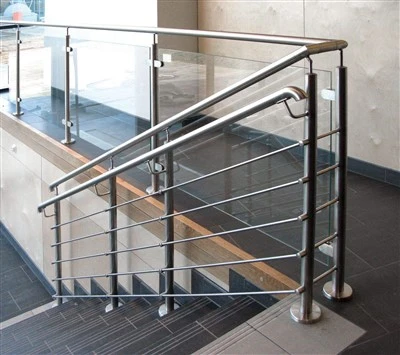
316 stainless steel railing requires less maintenance overall. Because of its high corrosion resistance, it’s less likely to develop problems that need attention. But just like 304, it still benefits from occasional cleaning to maintain its appearance.
Stainless Steel Railing So, there you have it, the main differences between 304 and 316 stainless steel railing. As a supplier, I know how important it is to choose the right type for your project. If you’re still not sure which one is best for you, don’t hesitate to reach out. We can discuss your specific needs, location, and budget to help you make the right choice. Whether you’re a homeowner looking to upgrade your balcony railing or a contractor working on a large – scale commercial project, we’ve got the expertise and the products you need. Get in touch to start discussing your stainless steel railing procurement today.
References
- ASM Handbook Volume 13: Corrosion
- Metals Handbook Desk Edition, 2nd Edition
ZP Aluminum Co., Ltd.
ZP Aluminum Co., Ltd. is one of the most professional stainless steel railing manufacturers and suppliers in China. With abundant experience, we warmly welcome you to wholesale customized stainless steel railing made in China here from our factory. If you have any enquiry about quotation, please feel free to email us.
Address: LEPING INDUSTRIAL ZONE, SANSHUI DISTRICT, FOSHAN, GUANGDONG, CHINA
E-mail: general@zp-aluminum.com
WebSite: https://www.zp-railing.com/
